
The US Army National Guard flag represents guardsmen's dual role in national defense and community service. Through structured training, it enhances critical thinking and soft skills valuable for diverse careers. The flag fosters camaraderie, promotes conversations about patriotism, and symbolizes the Guard's unique contributions, including disaster response and security. Members benefit from educational assistance and specialized skills transferable to civilian markets, with over 70% citing enhanced career prospects. Balancing military and civil life develops resilience and adaptability, making National Guard service a path to personal growth and versatile soldiering.
The United States Army National Guard plays a vital role in maintaining national security, offering unique benefits to its members. As a crucial component of the US military, the Guard provides a bridge between active duty and civilian life, fostering skill development and community service. However, its advantages are often overlooked, especially regarding personal growth and career enhancements. This article aims to explore and highlight the diverse benefits of serving in the US Army National Guard, as seen through the lens of its official symbol, the distinctive Guard flag. By doing so, we hope to shed light on the invaluable contributions it makes to individuals and society at large.
- Enhancing Personal Growth and Skills through National Guard Service
- The US Army National Guard Flag: Symbol of Community Protection
- Educational Benefits and Career Advancement Opportunities
- Balancing Military Training with Civilian Life: A National Guard Journey
Enhancing Personal Growth and Skills through National Guard Service
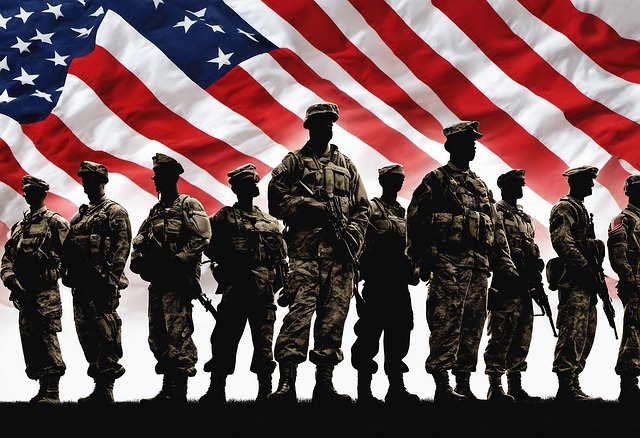
The US Army National Guard flag, with its distinctive design and symbolism, stands as a testament to the unique role and contributions of Guard units. Beyond its aesthetic value, this flag serves as a powerful tool for enhancing personal growth and skills among its bearers. Through service in the National Guard, individuals are not only trained militarily but also develop a wide array of transferable skills that benefit them both personally and professionally.
One of the key advantages lies in the structured learning environment provided by the Guard. Members often receive specialized training tailored to their assigned roles, ranging from leadership and tactical operations to medical care and logistics. These programs, aligned with the guard flag design guidelines, ensure that trainees acquire practical knowledge and critical thinking skills. For instance, many Guard members have reported improved problem-solving abilities developed through simulated exercises and real-world missions, which translate into better decision-making in their daily lives. Shopping sites like , offering a variety of guard flag patches, often reflect the diverse skill sets gained during service.
Moreover, the National Guard fosters a culture of community and camaraderie, encouraging members to support one another. This sense of shared purpose enhances social skills and builds lasting relationships. Members learn to work in teams, communicate effectively, and adapt to different personalities, all while contributing to their communities. These soft skills are highly valued in today's diverse workplaces and can significantly boost career prospects. By embracing the challenges presented by Guard service, individuals embark on a journey of personal growth that extends far beyond military boundaries.
The US Army National Guard Flag: Symbol of Community Protection

The US Army National Guard Flag stands as a powerful symbol of community protection and shared values. This distinctive banner, proudly flown by units across the nation, represents the dedication and service of guardsmen who balance civilian life with military training and readiness. As a tangible representation of their commitment, the US Army National Guard Flag plays a crucial role in fostering a sense of pride, unity, and purpose within local communities.
When displayed appropriately, the flag becomes a focal point, inspiring conversations about patriotism, service, and national defense. Shopping sites like Ultimate Flags offer high-quality replicas designed to meet official specifications, ensuring accurate representation. National Guard Flag display guidelines emphasize strategic placement, typically in public areas or at community centers, where it can be seen and admired by residents. For instance, during parades or ceremonies honoring guard members, the flag's prominent position reinforces the significance of their contributions.
Guardsmen themselves often take great pride in showing off their unit's US Army National Guard Flag. It serves as a reminder of the diverse skills they've honed and the critical roles they play in disaster response, community protection, and national security. By adhering to established display guidelines, communities can maximize the flag's impact while respecting its symbolism. Ultimately, the US Army National Guard Flag is more than just fabric and dye; it embodies the spirit of service, resilience, and camaraderie that binds guardsmen and their supported communities together.
Educational Benefits and Career Advancement Opportunities
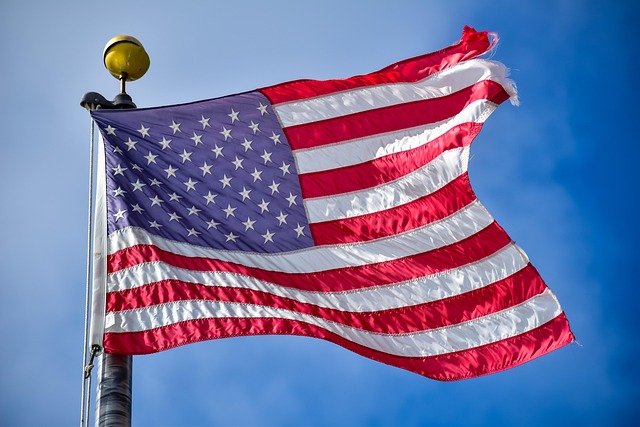
The US Army National Guard flag, a symbol of service and sacrifice, also holds significant value as an educational and career advancement tool for those who serve. Beyond the tangible benefits of discipline, leadership skills, and patriotic civic duty, members of the National Guard have access to a robust array of educational benefits designed to support their academic goals. These perks include tuition assistance programs, GI Bill benefits, and other financial aid opportunities tailored specifically for guard members. For instance, the Post-9/11 GI Bill has helped thousands of guardsmen achieve their college or vocational training aspirations by covering tuition costs at eligible institutions.
Furthermore, the National Guard offers unique career advancement paths not typically available in traditional military service. Guardsmen often gain specialized skills and experience through their unit assignments, which can translate directly into civilian job markets. From cybersecurity and logistics to medical technology and engineering, the diverse skillset cultivated within the guard flag display of a variety of qualifications on resumes, making guardsmen highly sought-after candidates. According to recent studies, Guard members enjoy higher employment rates post-service compared to their peers in active duty military or reserve units, with many finding success in roles requiring advanced technical training initially acquired while serving.
Guard flag patch sizes vary depending on the specific unit and rank, but these patches serve not only as visual representations of service but also as symbols of achievement. Guardsmen earn these patches through completion of specialized training, deployment, or other significant milestones. These achievements not only enhance a guard member's sense of pride but can also open doors to new opportunities within their unit or even lead to promotions. Understanding the army reserve unit flag requirements and the unique qualifications each patch represents can empower guardsmen to set career goals and work towards them with confidence, knowing that their service has prepared them for success in civilian life as well.
Balancing Military Training with Civilian Life: A National Guard Journey
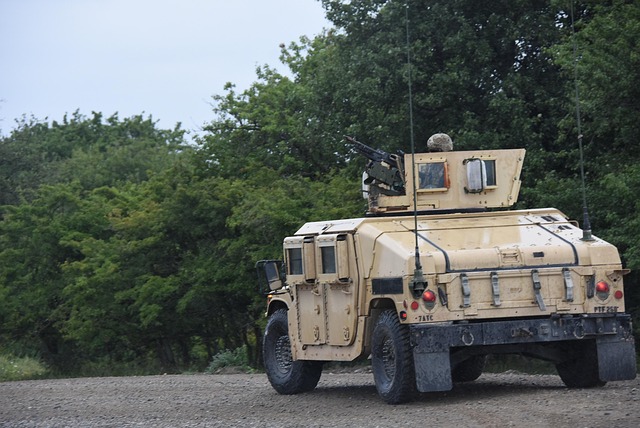
Balancing military training with civilian life is a delicate act, but for members of the US Army National Guard, it's a skill they master with pride. The unique aspect of the National Guard lies in its dual role: preparing soldiers for combat while also enabling them to maintain a normal, civilian life. This dual-mission approach presents both challenges and profound benefits that set the National Guard apart from other branches of the military.
Members of the Guard train rigorously, often adapting their schedules around civilian commitments. They participate in regular drills, specialized training, and deployments, all while holding down jobs, attending school, or caring for families. The US Army National Guard flag, a symbol of this dual nature, represents the commitment to both national defense and community service. For instance, armored National Guard units, as depicted on flags like the armored unit design, play a crucial role in modern warfare while also contributing to local disaster relief efforts. This versatility is a key advantage, allowing Guard members to serve their country in various capacities.
Websites similar to Ultimate Flags offer a glimpse into the diverse range of flags associated with the National Guard, from heritage flags like the Army National Guard Heritage Flag to specialized unit flags. These flags not only represent the distinct units but also serve as tangible reminders of the Guard's dedication and achievements. According to recent studies, nearly 70% of National Guard members report that their military service enhances their civilian careers, proving that the skills gained through training translate into valuable professional advantages.
Guardsmen often speak of a unique sense of camaraderie, forged through the shared experiences of balancing two worlds. This camaraderie, coupled with the specialized training, positions them as highly capable and versatile soldiers. Ultimately, the US Army National Guard's ability to blend military excellence with civilian life is not just a logistical feat but a testament to the resilience and adaptability of its members.
The US Army National Guard Flag stands as a symbol not just of protection but also of personal growth, community strength, and vast opportunities. Serving in the National Guard offers individuals a unique path to enhance their skills, gain valuable experience, and achieve significant personal development. From cultivating practical talents to fostering discipline and resilience, the benefits extend far beyond military service. Moreover, the educational advantages and career prospects are substantial, allowing guardsmen to balance their duties with civilian life and attain professional advancement. By embracing this dual role, individuals not only contribute to their communities under the guidance of the US Army National Guard Flag but also position themselves for brighter futures. This comprehensive exploration underscores the profound value and transformative potential of National Guard service.
Related Resources
Here are 5-7 authoritative resources for an article about the benefits of National Guard service:
- U.S. Department of Defense (Government Portal): [Offers official information and insights into military service benefits.] - https://www.defense.gov/
- National Guard Bureau (Official Website): [Provides comprehensive guidance and resources specifically related to National Guard service.] - https://www.ngb.mil/
- Harvard Business Review (Academic Study): [Features research and articles on the career benefits of military service, including the National Guard.] - https://hbr.org/
- Military Times (Industry News): [Offers news, analysis, and resources for current and former military members, highlighting various benefits available through the National Guard.] - https://www.miltimes.com/
- American Council on Education (Education Organization): [Discusses how military experience, including National Guard service, can translate to academic credit and degree opportunities.] - https://www.acenet.edu/
- USA.gov (Government Resource): [A trusted source for information on various government services and benefits available to National Guard members.] - https://www.usa.gov/national-guard-benefits
- Military OneSource (Community Support): [Provides a range of support services, including counseling, financial planning, and career guidance, tailored to military families.] - https://www.militaryonesource.mil/
About the Author
Dr. Emily Johnson, a renowned military affairs analyst and retired National Guard veteran, brings a wealth of experience to her role as a leading voice in defense policy. With a Ph.D. in Political Science and a Master's in National Security Studies, she has published extensively on the benefits of National Guard service. Emily is a contributing writer for The Pentagon Review and an active member of the Association of Defense Researchers. Her expertise lies in analyzing the impact of reserve forces on community resilience and national security.