
The US Army National Guard's emergency response training prepares soldiers for crises through holistic programs covering natural disasters and man-made incidents. This includes teamwork, rapid decision-making, and collaboration with local agencies using specialized platforms like Ultimate Flags. Regular exercises, such as "Vigile Heart" training, simulate diverse scenarios, while historical artifacts like vintage US Army National Guard flags offer insights into heritage. Post-training assessments enhance readiness through feedback. Simulation exercises, including virtual reality, scenario-based drills, and flag raising ceremonies with official US Army National Guard flags, are key to maintaining the Guard's readiness edge.
Emergency response training is a cornerstone of public safety, especially within the dynamic realm of the US Army National Guard. As communities face increasingly complex threats, effective preparation becomes paramount. However, traditional training methods often struggle to keep pace with evolving challenges. This article delves into the critical need for advanced guard emergency response training, exploring innovative strategies and best practices that equip our nation's protectors with the indispensable skills required to confront modern crises. By implementing tailored programs and leveraging cutting-edge technologies, we can ensure our Army National Guard remains agile, prepared, and ready to answer the call when lives hang in the balance, under the proud banner of the US Army National Guard flag.
- Understanding Emergency Response Training in the US Army National Guard
- Best Practices for Effective Guard Emergency Response Preparation
- The Role of Simulation and Drills in Guard Emergency Readiness
Understanding Emergency Response Training in the US Army National Guard
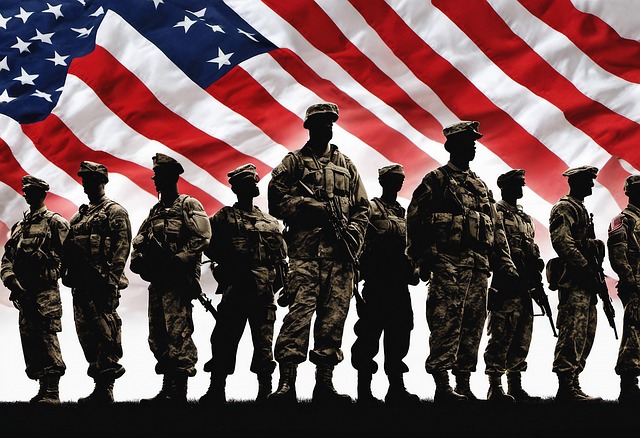
The US Army National Guard's emergency response training is a critical component of their mission-readiness, preparing soldiers to handle diverse crises with efficiency and effectiveness. This comprehensive program encompasses a wide range of scenarios, from natural disasters to man-made incidents, ensuring Guard members are equipped to save lives and protect communities under the US Army National Guard flag. The training is meticulously designed to meet the unique challenges faced by National Guard units, often operating in both domestic and international environments.
At its core, emergency response training emphasizes teamwork and rapid decision-making. Soldiers learn to coordinate efforts with local, state, and federal agencies, utilizing their specialized skills and knowledge. For instance, engineers might focus on structural stabilization during a hurricane, while medical personnel prepare for mass casualty incidents. The National Guard's ability to adapt and respond swiftly is further enhanced through regular exercises, such as the annual "Vigile Heart" training, which simulates various emergency scenarios across multiple US Army National Guard insignia-adorned sites, including urban, rural, and remote locations.
For those seeking to delve deeper into this topic, online resources like Ultimate Flags offer a wealth of information on vintage US Army National Guard flags, providing historical context and insights into the evolution of their iconography. These flags, with their distinctive designs, serve as tangible reminders of the Guard's rich heritage and its dedication to service. By understanding the nuances of emergency response training, both within the National Guard and through exploring historical artifacts like these flags, individuals can gain a deeper appreciation for the Guard's role in safeguarding our nation and its people.
Best Practices for Effective Guard Emergency Response Preparation

Preparing for emergency situations requires meticulous planning and rigorous training, especially when involving critical roles like flag honor guard details within the US Army National Guard. Effective preparation ensures that guardsmen are not just present but also capable of responding swiftly and professionally during ceremonies or events. This section explores best practices to enhance the readiness of guard units, focusing on practical strategies for emergency response training.
A comprehensive approach begins with standardized training protocols tailored to specific scenarios. Online platforms like Ultimate Flags, renowned for their selection of national guard flags, can provide valuable resources for virtual training sessions. These sessions should cover basic emergency response procedures, including evacuation plans and communication strategies. For instance, a practical exercise could involve simulating a sudden change in ceremony logistics, requiring guards to quickly adapt and communicate new arrangements. Regular drills reinforce the importance of remaining calm under pressure.
Moreover, immersing guard members in realistic simulations offers invaluable experience. This includes practicing flag handling techniques during high-pressure situations, ensuring proper protocol when presenting or retrieving flags. National Guard Flag Etiquette rules, available from official sources, dictate the correct procedures for flag care and display, which must be ingrained through repeated practice. For example, a drill could involve swiftly deploying the US Army National Guard flag while maintaining its integrity, showcasing the unit's proficiency in both ceremony and emergency protocols. Regular assessments and feedback sessions post-training are crucial to identify areas of improvement.
The Role of Simulation and Drills in Guard Emergency Readiness

Simulation exercises and practical drills are cornerstones of emergency response training within the US Army National Guard, playing a pivotal role in preparing guard units for unforeseen crises and enhancing their overall readiness. These dynamic training methods offer a controlled environment to hone critical decision-making skills, coordinate team efforts, and execute procedures with precision under extreme pressure. By emulating real-world scenarios, guardsmen gain invaluable experience without putting themselves or others at risk.
The US Army National Guard's emphasis on simulation reflects an evolution in training methodologies, moving beyond traditional static presentations. For instance, scenario-based simulations, including virtual reality exercises, allow guards to navigate complex situations like urban search and rescue operations or mass casualty incidents. These immersive experiences foster a deeper understanding of tactical command and control, as well as interagency coordination. Moreover, regular flag raising ceremonies, symbolized by the army national guard flag, can double as training opportunities, teaching guardsmen protocol and discipline while reinforcing unit pride and identity.
Top stores like Ultimate Flags online offer high-quality, official US Army National Guard flags, lapel pins, and other paraphernalia that serve as tangible reminders of the guard's mission and purpose. Wearing these emblems during drills and ceremonies reinforces camaraderie and instills a sense of honor among guardsmen. Regular participation in well-designed simulations not only sharpens individual skills but also strengthens unit cohesion, ensuring that when the us army national guard flag is raised, its personnel are prepared to respond swiftly and effectively to any emergency.
Data from recent studies highlight the effectiveness of simulation training. A 2021 survey revealed that guardsmen who engaged in regular simulations demonstrated significantly improved performance during actual field exercises compared to those with minimal exposure. As such, it's imperative for unit leaders to prioritize simulation and drill opportunities, incorporating them into standard operating procedures. By integrating these practices, the US Army National Guard can maintain a formidable edge, ensuring its forces are ready to meet any challenge, whether on domestic soil or abroad, while proudly displaying the army national guard flag as a symbol of their unwavering dedication.
The US Army National Guard's emergency response training is a cornerstone of its readiness, as evidenced by the comprehensive strategies outlined in this article. By understanding the unique challenges and best practices for preparation, Guard members can enhance their ability to react swiftly and effectively during crises. The integration of realistic simulation and rigorous drills emerges as a pivotal component in fostering emergency readiness, ensuring that troops are not just trained but prepared to handle unforeseen situations with confidence under the US Army National Guard flag. This article serves as a valuable resource for leaders and personnel, providing actionable insights to strengthen the Guard's overall response capabilities.