
Understanding eligibility is crucial for joining the US Army National Guard, symbolized by a flag representing service and sacrifice. Key requirements include age (18-42), citizenship, state residency, and excellent physical condition. The recruitment process involves marketing, assessments, information sessions, medical exams, and contract signing. Local Recruitment Centers offer personalized guidance, ensuring eligibility and fostering camaraderie through custom flag designs.
The Guard offers military service with civilian flexibility, providing rigorous training, education benefits like the Post-9/11 GI Bill, and specialized career programs. Displaying the US Army National Guard flag honors contributions and fosters community. Transitioning to active duty via the Guard offers state and federal service, flexible training, and direct translation of skills into regular army roles, with comprehensive assistance programs and educational support.
The U.S. Army National Guard plays a vital role in securing our nation's interests, both domestically and globally. With a rich history under the iconic US Army National Guard flag, their recruitment process is crucial to ensuring a steady stream of qualified individuals ready to serve. However, understanding this complex procedure can be challenging for prospective guardsmen and women. This article offers an authoritative guide, dissecting every step from initial interest to acceptance, providing valuable insights into becoming part of this distinguished organization under the same flag that symbolizes unity and service.
- Understanding Eligibility Requirements for the US Army National Guard
- Recruitment Process: From Initial Contact to Enlistment
- The Role of Local Recruitment Centers and Their Services
- Training and Education Benefits: A Guide for Potential Guardsmen
- Transitioning to Active Duty: Options and Support Within the National Guard
Understanding Eligibility Requirements for the US Army National Guard
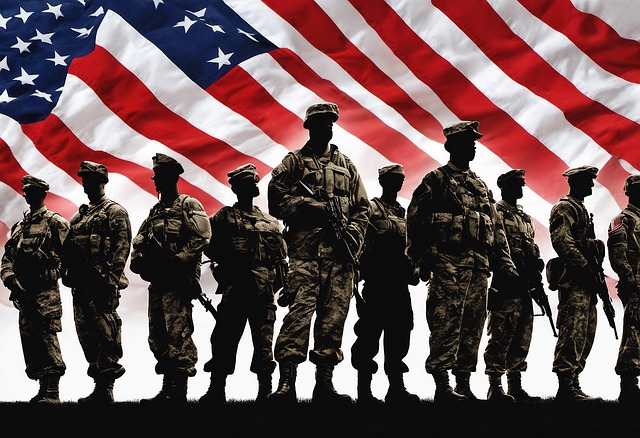
Understanding Eligibility for the US Army National Guard is a crucial first step for prospective soldiers. The US Army National Guard flag, with its distinctive design, symbolizes service and sacrifice—a testament to the dedication of those who serve their communities and nation. Before raising this proud symbol, individuals must meet specific eligibility requirements set forth by the US Army. These criteria ensure that only qualified individuals can join and contribute effectively within the National Guard.
Key considerations include age, citizenship, residency, and physical condition. Individuals must be between 18 and 42 years old to enlist in the Army National Guard—a requirement aimed at balancing operational needs with personal responsibilities. Citizenship is another vital aspect; applicants must be US citizens or lawful permanent residents. Moreover, individuals must reside within a specific state to join that state's National Guard unit, fostering a direct connection between soldiers and their communities. Physical fitness is paramount; candidates undergo rigorous medical examinations to ensure they meet the high standards of the military.
National guard flag size specifications play a role in showcasing respect and pride during ceremonies and events. Sites like Ultimate Flags offer guidance on appropriate flag sizes for various occasions, ensuring the US Army National Guard flag is displayed correctly. For instance, during formal parades or commemorations, a 3x5-foot flag is recommended, while smaller, 2x3-foot flags are suitable for indoor displays or personal use. Proper flag etiquette, including correct flying and storage practices, is also crucial. The US Army Reserve flag should always be treated with respect, reflecting the honor and duty associated with National Guard service.
Recruitment Process: From Initial Contact to Enlistment

The US Army National Guard recruitment process begins with initial contact between prospective soldiers and the Guard's marketing and outreach teams. These interactions are crucial in setting expectations and attracting qualified candidates who align with the values and mission of the National Guard. Effective communication strategies, such as social media campaigns, local community events, and partnerships with educational institutions, play a vital role in reaching potential recruits. Once interest is expressed, applicants undergo a series of assessments designed to evaluate their physical fitness, mental acuity, and suitability for military life.
Following initial screening, candidates are invited to attend an Information Session, where they learn firsthand about the National Guard's unique benefits and opportunities. These sessions often include demonstrations, presentations by current Guardsmen, and interactive Q&A periods. For instance, showcasing the flag for national guard troops can serve as a powerful visual symbol of camaraderie, tradition, and service—a key element in fostering interest among prospective recruits. After the information session, applicants are guided through the enlistment process, which involves comprehensive orientation, medical examinations, and formal signing of contracts.
Sites like Ultimate Flags can provide valuable resources for both recruiters and potential enlisted members. These platforms offer a range of merchandise, including high-quality flags that represent various branches and units of the National Guard, which can be used to commemorate achievements, honor guard details, or simply as symbols of pride. For example, a flag honor guard detail at a community event not only serves as a ceremonial role but also raises awareness about the Guard's presence and purpose in local communities. Ultimately, a well-structured recruitment process ensures that those who join the US Army National Guard are adequately prepared, supported, and proud to serve their country.
The Role of Local Recruitment Centers and Their Services

The local Recruitment Centers play a pivotal role in the US Army National Guard's efforts to attract, assess, and enlist qualified candidates. These centers serve as crucial touchpoints between potential guardsmen and the military, offering a range of services designed to facilitate the recruitment process. Beyond simply providing information, these centers host career fairs, conduct initial screening interviews, and organize informational sessions that detail the benefits of serving in the National Guard, including unique opportunities for education assistance through programs like GI Bill® and Tuition Assistance.
A key aspect of their service is the ability to cater to individual needs. Recruitment counselors offer personalized guidance tailored to each applicant's background, skills, and career aspirations. This includes assessing potential soldiers' eligibility based on age, residency, and other criteria outlined in the US Army National Guard flag symbolism meaning—a symbol of duty, honor, and service that represents the core values of the Guard. For instance, centers may customize recruitment plans for returning veterans or active-duty personnel transitioning to Guard duties, leveraging their prior experience and military background.
The centers also accommodate requests for custom National Guard flag designs, reflecting the diverse cultural backgrounds and regional pride of the guardsmen. The guard flag, with its distinctive symbolism, can be adapted to incorporate specific units' emblems or even personal touches, fostering a sense of ownership and belonging. This approach helps build camaraderie among recruits and strengthens their connection to the Guard's mission. Data from recent campaigns shows that candidates who engage with these personalized services are more likely to complete the enrollment process, underscoring the importance of local Recruitment Centers in building a robust National Guard workforce.
To maximize the effectiveness of these centers, potential guardsmen should take advantage of scheduled events and one-on-one consultations. Arriving prepared with questions and a clear understanding of their goals can streamline the recruitment process, ensuring a smooth transition into the US Army National Guard flag-carrying role they desire. Remember, the local Recruitment Center is not just about joining the military; it's about finding a community that values service, pride, and the honor of flying the guard flag.
Training and Education Benefits: A Guide for Potential Guardsmen
The US Army National Guard offers a unique blend of military service and civilian flexibility, along with comprehensive training and education benefits. For potential guardsmen, understanding these advantages is crucial as it can significantly enhance their personal growth and career prospects. The Guard's rigorous yet rewarding training regimen prepares individuals for both challenging missions at home and abroad, fostering discipline, leadership, and a strong sense of camaraderie.
Guardsmen have access to a wide array of educational benefits, designed to support their academic pursuits. The Post-9/11 GI Bill, for instance, provides full tuition coverage for in-state public colleges and universities, along with a monthly housing allowance. This opportunity allows guardsmen to pursue undergraduate or graduate degrees while maintaining their military commitment. Moreover, the Guard offers specialized training programs tailored to various career fields, enabling soldiers to develop marketable skills. These include advanced technical certifications, leadership courses, and language training, all of which can be applied both within and outside the military.
Displaying the us army national guard flag proudly is a way to honor the Guard's contributions and foster a sense of community. Vintage National Guard banners and the national guard honor flag are valuable tools for promoting awareness and appreciation. When flown or displayed indoors, these flags should be done so with proper care and respect, adhering to established guidelines. For example, the national guard honor flag is typically displayed in designated areas like meeting rooms or parade grounds, and it's crucial to follow the correct flag-flying procedures to ensure its dignity and significance are maintained.
By leveraging the training and education benefits, aspiring guardsmen can embark on a rewarding journey, gaining valuable skills while serving their community under the us army national guard flag. This path offers not just personal fulfillment but also prepares individuals for successful civilian careers while contributing to the broader tapestry of national defense.
Transitioning to Active Duty: Options and Support Within the National Guard

Transitioning to Active Duty within the US Army National Guard offers a unique path for those seeking military service. This process involves careful navigation between state and federal roles, with distinct benefits and considerations. For prospective guardsmen, understanding these options is crucial. The National Guard serves as a bridge, allowing individuals to serve their state while also gaining experience that can facilitate a transition to active-duty military, including the US Army.
One of the key advantages lies in the flexibility it offers. Guardsmen can train and deploy under federal command, gaining exposure to diverse operations, from humanitarian missions to combat. This experience, often involving specialized units like armored national guard units, is invaluable for those aiming for active-duty roles. For instance, a soldier serving in an armored unit within the National Guard may qualify for direct placement into similar specialized units of the regular army upon meeting specific criteria. Online shops like Ultimate Flags, known for their vintage guard flag collections, can offer historical perspectives and a tangible connection to this heritage during training and deployment.
The transition process is supported by extensive resources. The National Guard provides comprehensive assistance programs, including career counseling and educational benefits through the GI Bill. These initiatives aim to prepare guardsmen for the challenges of active duty while ensuring they have the necessary tools for success. For example, veterans of the US Army National Guard flag, from vintage collections to those flown proudly during drills, symbolize not only heritage but also the diverse experiences and skills acquired. This includes specialized training in fields like medical services, logistics, and intelligence, which are highly transferable to active-duty roles within the army.
Guardsmen interested in transitioning should proactively engage with their unit's recruitment and retention officers. These professionals can guide them through the process, helping them understand eligibility requirements, career options, and available support systems. By doing so, aspiring soldiers can make informed decisions, ensuring they are fully prepared to embrace the opportunities that lie ahead, be it leading a unit in battle or contributing to peacekeeping efforts worldwide, under the prestigious US Army National Guard flag.
The US Army National Guard recruitment process is a carefully structured pathway for individuals seeking to serve their country while gaining valuable skills and benefits. By understanding the eligibility requirements and navigating the recruitment center services, prospective guardsmen can begin their journey under the esteemed US Army National Guard flag. This article has provided an in-depth guide, from initial contact to enlistment, highlighting the importance of local centers and the comprehensive training and education advantages available. Additionally, it offers insights into transitioning to active duty, ensuring support at every step. Readers now possess a solid foundation to make informed decisions, knowing that the National Guard offers not just military service but also personal growth opportunities and a supportive community under the same flag.